
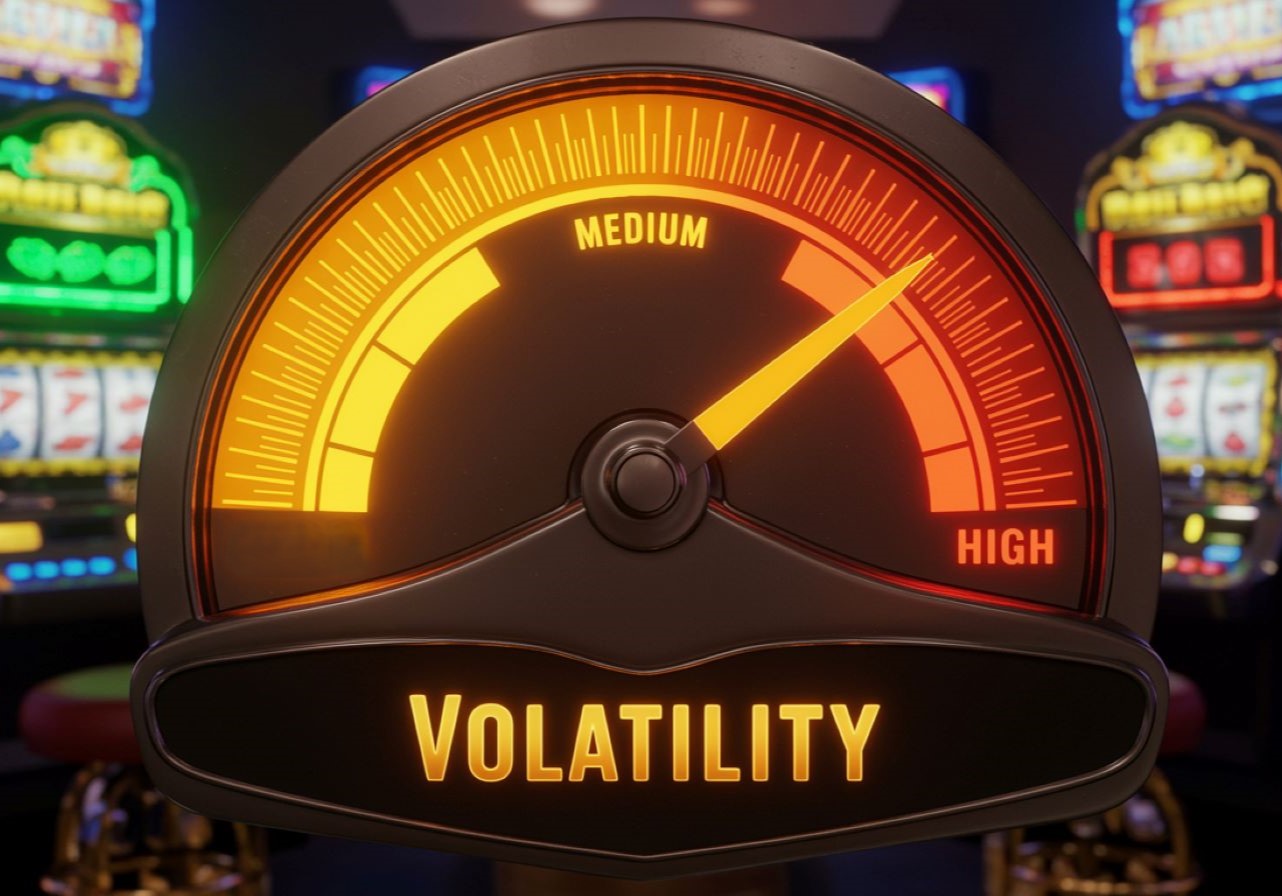
Understanding crash game risk settings can make the difference between enjoying sustainable sessions and experiencing wild bankroll swings that end your play prematurely. For US players navigating the crash gaming landscape, volatility modes directly control how often you’ll see wins, how large those potential payouts might be, and how much your balance will fluctuate during each session.
The three main volatility settings—low, medium, and high—reshape your entire crash experience around four key factors: payout frequency, multiplier targets, bankroll tolerance requirements, and optimal session length. Lower risk modes deliver more frequent but smaller cash-outs with gentler balance swings, while higher risk settings create longer dry spells punctuated by potentially massive multiplier hits that can dramatically change your session outcome in a single round.
What crash game risk settings mean for US players
Crash game volatility settings fundamentally alter how the RNG distributes wins across your playing session without changing the underlying return-to-player percentage. Low volatility mode tends to produce more frequent multiplier hits in the 1.2x to 3x range, medium volatility balances moderate frequency with occasional bigger multipliers up to 10x, while high volatility can deliver extended losing streaks followed by explosive 20x or higher payouts.
The crucial distinction for US players is that volatility settings change win patterns and cash-out rhythm, not guaranteed outcomes. Each mode operates under the same RNG principles, but the distribution of results creates vastly different session experiences. A low volatility session might see steady 2x wins every few rounds, while high volatility could produce twenty consecutive losses followed by a single 50x multiplier that recovers the entire sequence.
Understanding this difference helps US players select the mode that matches their bankroll size, patience level, and session goals. The setting you choose should align with how much balance fluctuation you can handle mentally and financially, rather than which mode promises the biggest theoretical wins.
Most importantly, volatility affects the emotional experience of crash gaming. Players seeking relaxed, predictable sessions typically prefer lower settings, while those comfortable with high-stakes gambling often gravitate toward maximum volatility for the adrenaline rush of chasing massive multipliers despite extended losing periods.
How crash volatility shapes multiplier frequency
Low volatility crash modes typically generate multiplier hits every 3-5 rounds, with most successful cash-outs falling between 1.5x and 4x. This frequent success rate creates a steady rhythm where players can implement conservative cash-out strategies around 2x targets and still maintain reasonable session momentum without extended losing streaks.
High volatility flips this dynamic completely, often producing 10-15 consecutive crashes below 2x before delivering a single massive multiplier that can reach 25x, 50x, or higher. These rare but substantial hits require players to maintain discipline during long dry spells while sizing bets appropriately to survive until the big multiplier arrives.
The frequency difference means that identical bankrolls will experience completely different depletion rates across volatility modes, even when using similar base stake amounts. Players must adjust their expectations and cash-out strategies to match the mathematical reality of their chosen risk setting.
Why the same mode feels different session to session
Even within identical volatility settings, individual crash sessions can produce dramatically different results due to random number generation and short-term variance. Two players both using medium volatility might experience completely opposite outcomes, with one hitting several 8x multipliers while another faces an unusual streak of early crashes.
This session-to-session variance exists because crash games operate on truly random outcomes, meaning past results don’t influence future rounds. A high volatility mode that delivered three massive wins yesterday has the exact same probability distribution today, potentially producing a completely different pattern of wins and losses.
Understanding this randomness helps US players avoid the trap of chasing previous session results or assuming that a particular volatility mode will perform consistently. Smart players focus on long-term patterns rather than short-term streaks when evaluating which risk setting matches their playing style.
Low volatility mode: steady pacing and smaller cash-outs
Low volatility crash gaming provides the most predictable experience for US players who prioritize bankroll preservation and extended session length over massive payout potential. This mode creates a gentler gameplay rhythm with frequent small wins that help maintain balance stability while delivering consistent entertainment value.
The conservative nature of low volatility makes it ideal for players working with limited bankrolls who want to maximize their playing time. Sessions tend to last longer with fewer dramatic swings, allowing players to develop cash-out timing skills without risking large portions of their balance on single rounds.
Most low volatility sessions revolve around 1.5x to 3x cash-out targets, with occasional 5x hits providing excitement without creating unrealistic expectations for massive multipliers. This range allows players to build steady profits through volume rather than depending on rare high-multiplier events.
| Feature | Low volatility behavior | Player impact |
|---|---|---|
| Win frequency | High (60-70% of rounds) | Steady confidence and longer sessions |
| Typical multipliers | 1.5x to 4x range | Predictable profit targets |
| Balance swings | Minimal (±20% typical) | Reduced stress and bankroll protection |
| Session length | Extended play time | Better entertainment value per dollar |
| Cash-out pressure | Low urgency decisions | Time to develop strategy skills |
Who low mode fits best
Low volatility crash gaming serves specific player profiles who prioritize control and predictability over maximum payout potential. The mode’s characteristics make it particularly suitable for certain types of US players seeking a more measured approach to crash gaming.
New players benefit enormously from low volatility’s forgiving nature, which provides ample opportunities to practice cash-out timing without suffering devastating losses that could end their crash gaming journey prematurely. The frequent wins help build confidence while teaching fundamental skills.
- Beginners learning crash fundamentals and developing cash-out reflexes
- Players with smaller bankrolls ($50-200) who need to maximize session duration
- Casual users seeking entertainment rather than aggressive profit targets
- Risk-averse players who prefer steady progress over dramatic swings
- Users wanting to test new platforms or strategies with minimal downside exposure
- Players recovering from losses who need to rebuild confidence gradually
Medium volatility mode: balanced risk and reward
Medium volatility represents the sweet spot for many US crash players, delivering a balanced experience that combines reasonable win frequency with meaningful payout potential. This mode typically generates successful cash-outs in 40-50% of rounds, with multipliers ranging from 2x to 10x creating moderate excitement without the extreme variance of high-risk settings.
The compromise nature of medium volatility makes it adaptable to different playing styles and session goals. Players can pursue conservative 2-3x targets for steady gains or occasionally chase 6-8x multipliers for bigger wins, depending on their current bankroll situation and risk appetite.
Session variance in medium mode creates noticeable balance swings without reaching the extreme peaks and valleys of high volatility gaming. Most players experience moderate winning and losing streaks that keep sessions engaging while remaining psychologically manageable for players with average risk tolerance.
- Balanced win frequency provides regular positive reinforcement without becoming predictable
- Moderate multiplier range (2x-8x typical) offers meaningful profit potential beyond low volatility limits
- Session swings remain manageable for most bankroll sizes while creating sufficient excitement
- Flexible cash-out strategies work effectively, from conservative 2x exits to ambitious 6x+ targets
- Appeals to players transitioning from low volatility who want more upside potential
What medium mode changes versus low mode
The transition from low to medium volatility fundamentally alters several key aspects of the crash gaming experience, requiring players to adjust their expectations and strategies accordingly. Understanding these changes helps players make informed decisions about when to step up their risk level.
Medium volatility reduces win frequency compared to low mode but compensates with larger average payouts when multipliers do hit. This trade-off requires greater patience during losing streaks while offering more substantial profit potential during successful rounds.
| Factor | Low volatility | Medium volatility |
|---|---|---|
| Win frequency | 60-70% of rounds | 40-50% of rounds |
| Average multiplier | 2.2x typical | 3.5x typical |
| Losing streak length | 2-4 rounds typical | 4-7 rounds typical |
| Bankroll swings | ±15% session range | ±35% session range |
| Optimal cash-out target | 1.8x-2.5x conservative | 2.5x-4x balanced |
When medium mode becomes the practical choice
Medium volatility often emerges as the default recommendation for experienced crash players who have outgrown low volatility’s limitations but aren’t ready for high volatility’s extreme variance. This mode provides the optimal balance for players seeking meaningful profit potential while maintaining reasonable session control.
The mode particularly suits players with moderate bankrolls ($200-500) who want to pursue more ambitious profit targets without risking the extended losing streaks common in high volatility settings. Medium mode allows for strategic flexibility while keeping variance within manageable bounds for most risk tolerance levels.
High volatility mode: bigger swings and bigger upside
High volatility crash gaming delivers the most extreme experience available to US players, characterized by extended losing streaks punctuated by massive multiplier hits that can transform entire sessions in single rounds. This mode typically produces successful cash-outs in only 20-30% of rounds, but winning multipliers frequently reach 15x, 25x, or higher.
The appeal of high volatility lies in its potential for life-changing wins that can multiply bankrolls several times over in minutes. However, this upside comes with severe downside risk, including losing streaks of 15-25 consecutive rounds that can devastate unprepared players who haven’t sized their stakes appropriately.
Success in high volatility requires exceptional discipline, substantial bankroll reserves, and the psychological fortitude to endure extended periods of losses while waiting for the massive multipliers that justify the risk. Most players underestimate the mental challenge of surviving long dry spells without abandoning their strategy.
| Pros | Cons | Best for |
|---|---|---|
| Massive multiplier potential (20x-100x+) | Extended losing streaks (15-25 rounds) | High-stakes players with large bankrolls |
| Life-changing win opportunities | Severe psychological pressure | Experienced players comfortable with variance |
| Maximum adrenaline and excitement | Rapid bankroll depletion risk | Players seeking maximum entertainment value |
| Potential for viral win videos/stories | Frequent early session endings | Goal-oriented players chasing specific targets |
| Fastest path to large profits | Requires exceptional stake sizing discipline | Advanced players with proven risk management |
| Appeals to competitive/leaderboard players | Not suitable for consistent income approaches | Recreational players who can afford total loss |
High mode requirements before you start
High volatility crash gaming demands extensive preparation and strict adherence to risk management protocols that many players overlook in their excitement to chase massive multipliers. Success requires treating high volatility as a specialized form of gambling that operates under different rules than lower-risk modes.
The preparation process should address bankroll adequacy, psychological readiness, and exit strategy planning before placing the first bet. Players who skip these preparatory steps typically experience devastating losses that could have been avoided with proper planning.
- Verify your bankroll can survive 25+ consecutive losses at your planned stake size
- Set hard stop-loss limits at 30-40% of total bankroll before starting any session
- Practice with lower volatility modes until cash-out timing becomes instinctive
- Establish realistic profit targets (2-3x bankroll maximum) and commit to stopping when reached
- Ensure you can afford total loss of gambling funds without affecting essential expenses
- Prepare mentally for extended periods of losses and avoid chasing strategies during downswings
Bankroll planning across low, medium, and high modes
Effective bankroll management for crash games requires tailoring your capital allocation strategy to match the volatility characteristics of your chosen mode. Each risk setting demands different reserve requirements, stake sizing approaches, and session risk tolerance to maintain sustainable play over multiple sessions.
Low volatility modes typically function well with smaller bankrolls due to their gentle variance, while high volatility settings require substantially larger reserves to weather the inevitable extended losing streaks. Understanding these capital requirements helps US players select appropriate modes for their financial situation.
The relationship between volatility and bankroll needs isn’t linear—high volatility often requires 5-10 times the reserve capital of low volatility for equivalent session length and loss protection. This dramatic difference makes mode selection one of the most important financial decisions in crash gaming.
Session risk management becomes increasingly critical as volatility increases, with high-risk modes demanding strict loss limits and predetermined exit rules to prevent catastrophic bankroll damage during unfavorable variance periods. Successful players treat bankroll planning as seriously as their actual gaming strategy.
| Mode | Typical bankroll need | Bet sizing approach | Session risk |
|---|---|---|---|
| Low volatility | $50-200 sufficient | 2-5% per bet | 10-15% session loss typical |
| Medium volatility | $200-500 recommended | 1-3% per bet | 20-30% session loss possible |
| High volatility | $500-2000+ required | 0.5-1% per bet maximum | 40-60% session loss common |
| Mixed approach | $300-800 flexible | Adjust by mode selection | Variable based on mode mix |
Stake sizing rules by risk level
Proper stake sizing represents the most critical factor in long-term crash gaming success, with optimal bet amounts varying dramatically across volatility modes. Players who ignore these sizing principles often experience bankroll destruction regardless of their cash-out timing skills or volatility selection.
The fundamental rule involves reducing stake size as volatility increases, compensating for reduced win frequency and larger balance swings. This counter-intuitive approach protects bankrolls during extended losing streaks while still allowing meaningful profit potential when multipliers hit.
- Low volatility: 2-5% of bankroll per bet allows for steady gameplay with quick recovery from losses
- Medium volatility: 1-3% per bet provides balance between meaningful wins and variance protection
- High volatility: 0.5-1% maximum per bet ensures survival through 20+ consecutive losses
- Never increase stake size during losing streaks, regardless of volatility mode or session pressure
- Consider starting each session with minimum stakes until establishing the round’s multiplier rhythm
- Reduce stake size by 50% when approaching predetermined loss limits to extend session survival
- Use fixed dollar amounts rather than percentage-based sizing to avoid calculation errors during gameplay
How to set a stop-loss and stop-win
Stop-loss and stop-win limits serve as essential protection mechanisms that become more critical as volatility increases. These predetermined exit points help players avoid emotional decision-making during both winning and losing streaks that could compromise their bankroll management discipline.
Effective stop-loss limits should account for the natural variance patterns of each volatility mode, with high-risk settings requiring more generous loss allowances to accommodate their extended dry spells. Stop-win limits prevent players from giving back large profits during subsequent unfavorable variance periods.
The key to successful limit-setting involves establishing these boundaries before beginning play, when rational thinking isn’t clouded by the excitement or frustration of active gaming. Most players set limits too conservatively during winning periods and too aggressively during losing streaks, leading to suboptimal session management.
Cash-out strategy by volatility mode
Cash-out timing strategies must adapt to the mathematical realities of each volatility mode, with target multipliers and exit timing varying significantly across risk settings. Conservative cash-out approaches work well in low volatility but often miss the rare large multipliers that justify high volatility’s extended losing streaks.
Low volatility players typically focus on consistent 2x exits with occasional 3-4x targets, while high volatility demands patience for 10x+ multipliers despite the psychological pressure of frequent early crashes. Medium volatility offers the most strategic flexibility, allowing players to alternate between conservative and aggressive approaches based on current session performance.
The relationship between cash-out timing and expected session feel varies dramatically across modes, with early exits providing steady progress in low volatility but potentially missing essential large wins in higher-risk settings. Understanding these dynamics helps players align their strategy with their chosen volatility level.
- Low volatility: Target 1.8-2.5x exits consistently, with 90% of cash-outs in this range for optimal results
- Medium volatility: Balance 2.5-4x targets with occasional 6-8x attempts based on recent session performance
- High volatility: Focus primarily on 8x+ targets, accepting frequent losses to capture rare massive multipliers
- Adjust target multipliers based on recent round patterns, lowering targets after observing frequent early crashes
- Never chase losses by increasing cash-out targets beyond your volatility mode’s optimal range
- Consider using auto cash-out features to maintain discipline during high-pressure moments
How cash-out timing changes expected session feel
The psychological experience of crash gaming changes dramatically based on your cash-out timing preferences and chosen volatility mode. Early cash-out strategies create steady, predictable sessions with frequent small wins, while late exits generate high-stress, high-reward experiences with extended suspense periods.
Players who prefer relaxed gaming sessions should align their cash-out timing with lower multiplier targets, regardless of volatility mode, to maintain comfortable stress levels. Conversely, adrenaline-seeking players often gravitate toward later exits that maximize the tension and excitement of each round.
The tempo difference between conservative and aggressive cash-out approaches affects session length, emotional intensity, and bankroll variance patterns. Understanding your preferred gaming tempo helps optimize both volatility selection and target multiplier strategies for maximum enjoyment and sustainable play.
Low vs medium vs high: side-by-side comparison
A comprehensive comparison of crash game volatility modes reveals the fundamental trade-offs between consistency and upside potential that define each risk setting. Understanding these differences enables US players to make informed decisions based on their bankroll, temperament, and session goals.
The frequency-versus-size relationship represents the core distinction, with each mode offering different approaches to the same underlying game mechanics. Low volatility prioritizes frequent small wins, medium volatility balances consistency with meaningful upside, and high volatility sacrifices frequency for massive potential payouts.
Bankroll pressure increases significantly across the volatility spectrum, requiring progressively more sophisticated risk management as players move toward higher-variance modes. This progression means that volatility selection often depends more on capital adequacy than personal preference.
| Criterion | Low | Medium | High |
|---|---|---|---|
| Win frequency | 60-70% | 40-50% | 20-30% |
| Typical multipliers | 1.5x-4x | 2x-8x | 5x-50x+ |
| Session variance | ±20% typical | ±40% typical | ±80% common |
| Bankroll pressure | Minimal | Moderate | Extreme |
| Optimal bankroll | $50-200 | $200-500 | $500-2000+ |
| Best use case | Learning/casual play | Balanced entertainment | High-stakes thrills |
Which mode is most beginner-friendly
Low volatility represents the clear choice for US players new to crash gaming, offering the most forgiving environment for developing essential skills while minimizing the risk of devastating early losses. The high win frequency provides regular positive reinforcement that helps build confidence during the learning process.
Predictability matters more than profit potential for beginners who need to understand cash-out timing, bankroll management, and platform mechanics before progressing to higher-risk modes. Low volatility’s gentle variance patterns allow new players to focus on skill development rather than survival.
Which mode suits aggressive play styles
High volatility naturally appeals to aggressive players who prioritize maximum upside potential over session predictability. This mode rewards patience, discipline, and substantial bankroll reserves while delivering the adrenaline rush that aggressive players seek from crash gaming.
The fit becomes natural when players possess large bankrolls, proven risk management skills, and psychological tolerance for extended losing periods. High volatility suits players who view crash gaming as high-stakes entertainment rather than consistent profit generation, making it ideal for experienced players seeking maximum excitement and life-changing win potential.
Risk management tools US users should look for
Responsible gambling tools become increasingly important as volatility levels rise, with high-risk crash gaming requiring more sophisticated protection mechanisms than lower-variance modes. US players should prioritize platforms that offer comprehensive risk management features designed to support their chosen volatility approach.
Session timers and loss limits serve as essential safeguards that help players maintain discipline during emotionally charged gaming periods. These tools become particularly valuable in high volatility modes where extended losing streaks can trigger irrational decision-making and bankroll-damaging behavior.
Deposit limits and cooling-off periods provide additional layers of protection that help US players maintain control over their crash gaming activities. These features work best when set during rational moments rather than after experiencing significant losses or wins.
- Daily, weekly, and monthly loss limits that automatically end sessions when reached
- Session time alerts and maximum duration controls to prevent extended play periods
- Deposit limits that restrict total funding within specified timeframes
- Auto cash-out features that execute predetermined exit strategies without emotional interference
- Reality check reminders that display time played and current session profit/loss
- Temporary self-exclusion options ranging from 24 hours to permanent account closure
- Stake size limiters that prevent impulsive bet increases during losing streaks
How tools support different volatility modes
Risk management tools should be calibrated to match the specific challenges of each volatility mode, with high-variance settings requiring more aggressive protection parameters than low-risk alternatives. The extended losing streaks common in high volatility make preset limits essential for preventing emotional override of rational bankroll management.
Session timers become more critical as volatility increases because high-risk modes can quickly deplete bankrolls during unfavorable variance periods. Setting shorter session limits for high volatility play helps ensure that temporary bad luck doesn’t escalate into significant financial damage.
Auto cash-out features provide particular value in high volatility modes where the pressure to chase large multipliers can override sound judgment. These tools help players maintain their predetermined strategy even when emotional intensity peaks during extended losing or winning streaks.
How to choose the right crash mode for your goals
Selecting the optimal volatility mode requires honest assessment of your bankroll size, risk tolerance, and session objectives rather than simply choosing the highest-upside option available. The best mode aligns your financial capacity with your entertainment preferences and profit expectations.
Entertainment-focused players often benefit from lower volatility modes that provide longer sessions and more frequent positive interactions, while profit-oriented players might gravitate toward higher volatility despite the increased stress and bankroll requirements. Understanding your primary motivation helps guide this critical decision.
Budget constraints typically represent the limiting factor in volatility selection, with higher-risk modes demanding proportionally larger bankrolls to function effectively. Players should select the highest volatility level their bankroll can support rather than stretching into inappropriate risk categories.
Session length preferences also influence optimal mode selection, with longer gaming sessions favoring lower volatility while quick-hit approaches might suit higher-variance modes. The relationship between available time and volatility tolerance often determines the most practical choice for regular players.
Best mode by player profile
Player profiles based on experience, bankroll size, and risk appetite naturally align with specific volatility modes that optimize their crash gaming experience. Understanding these profile-to-mode relationships helps streamline the selection process and improve session outcomes.
The mapping between player characteristics and optimal modes reflects the mathematical realities of crash gaming rather than arbitrary preferences. Players achieve better results when their mode selection matches their actual situation rather than their aspirational risk tolerance.
| Player profile | Recommended mode | Reason |
|---|---|---|
| New player, small bankroll | Low volatility | Maximum learning time, minimal risk |
| Experienced, moderate bankroll | Medium volatility | Balanced upside with manageable variance |
| High-roller, large bankroll | High volatility | Maximum excitement and win potential |
| Casual entertainment seeker | Low-medium volatility | Steady fun without extreme swings |
| Aggressive profit chaser | Medium-high volatility | Meaningful upside with calculated risk |
Final decision checklist before switching modes
Before transitioning between volatility modes, players should complete a systematic evaluation process that confirms their readiness for the new risk level. This checklist prevents impulsive mode changes that often lead to inappropriate risk exposure and session management problems.
- Verify current bankroll exceeds minimum requirements for target volatility mode by at least 50%
- Confirm understanding of expected win frequency and typical multiplier ranges for new mode
- Set appropriate loss limits and stake sizes based on increased or decreased variance expectations
- Review recent session performance to ensure current mode isn’t meeting your entertainment and profit goals
- Consider starting with shorter test sessions in new mode before committing to full-length gameplay
- Ensure psychological readiness for different variance patterns, particularly when moving to higher volatility